
Solar battery storage explained
How a home battery works with your solar, what size makes sense, and when it's worth adding one to an existing system.
Comparing the value of storing energy with exporting it.
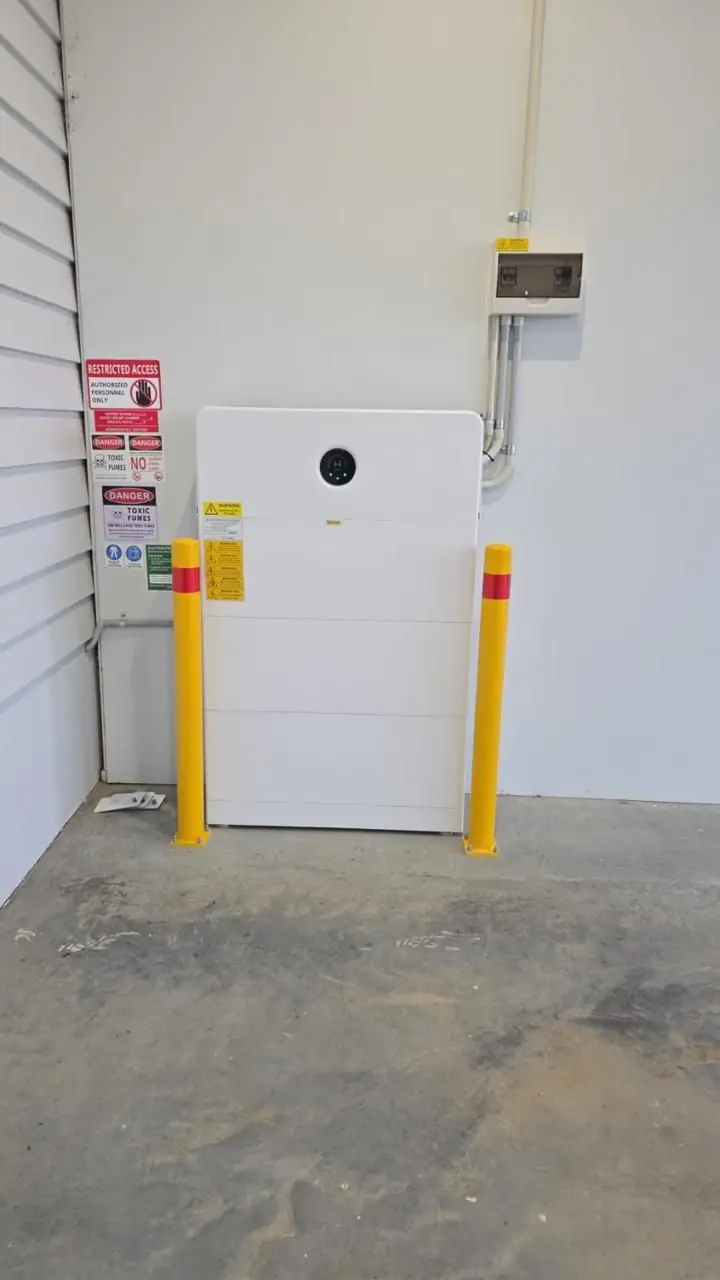
When your panels produce more than you use, the excess either goes to the grid or into a battery. Which is better depends on the numbers. New to batteries? Read solar battery storage explained first.
You earn a feed-in credit for each kWh exported. Victoria no longer sets a minimum feed-in tariff (opens in a new tab), and feed-in rates are usually much lower than what you pay to buy power back in the evening. Compare retailer offers on Victorian Energy Compare (opens in a new tab).
A battery lets you use that energy later, avoiding evening grid prices. It can also provide backup during outages, depending on the system. The federal Cheaper Home Batteries Program (opens in a new tab) can reduce the upfront cost for eligible households.
"The gap between what you pay for power and what you earn for exports is what makes a battery worthwhile."
We compare both options using your usage data so you can make an informed decision. See our solar battery installation service, request a battery quote, or read how solar can reduce your energy bills.
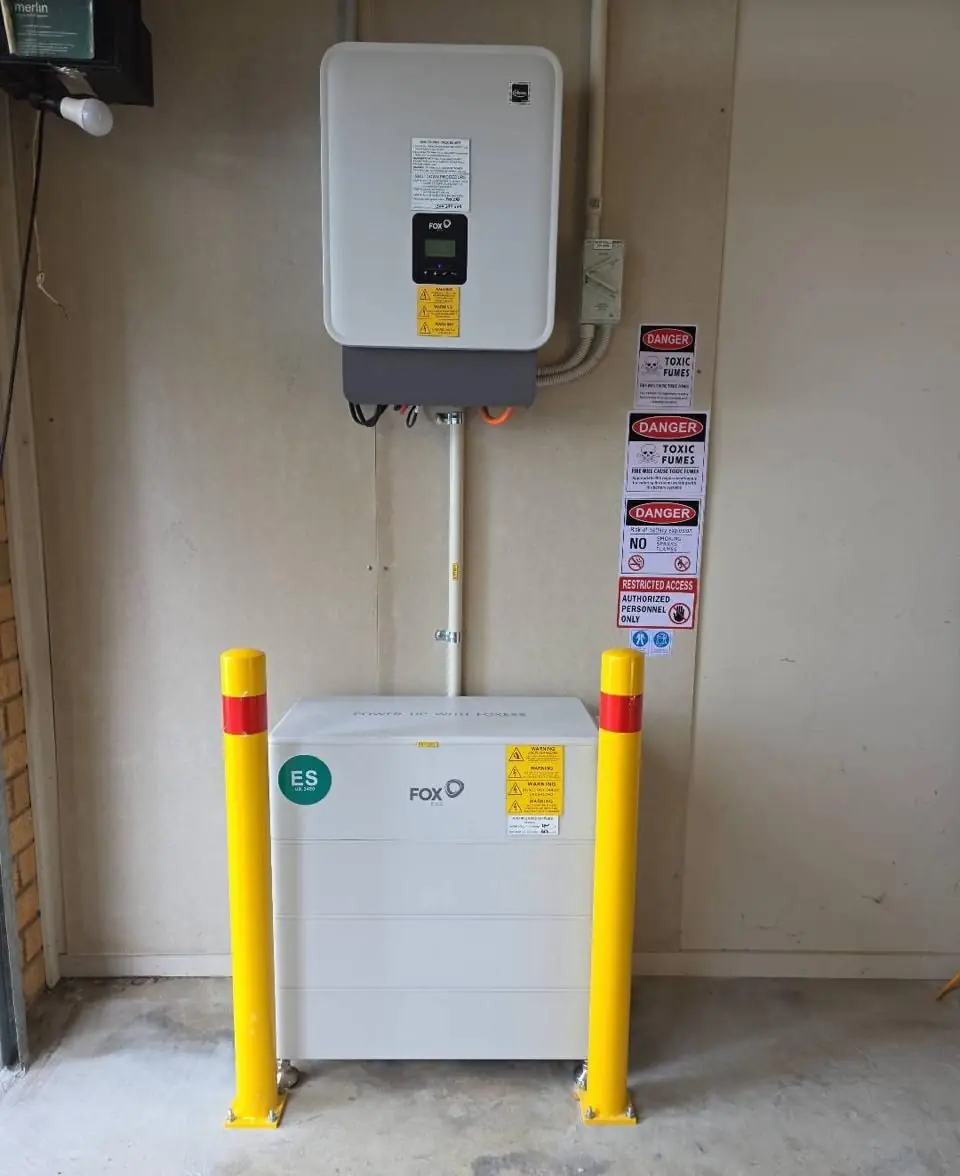
How a home battery works with your solar, what size makes sense, and when it's worth adding one to an existing system.
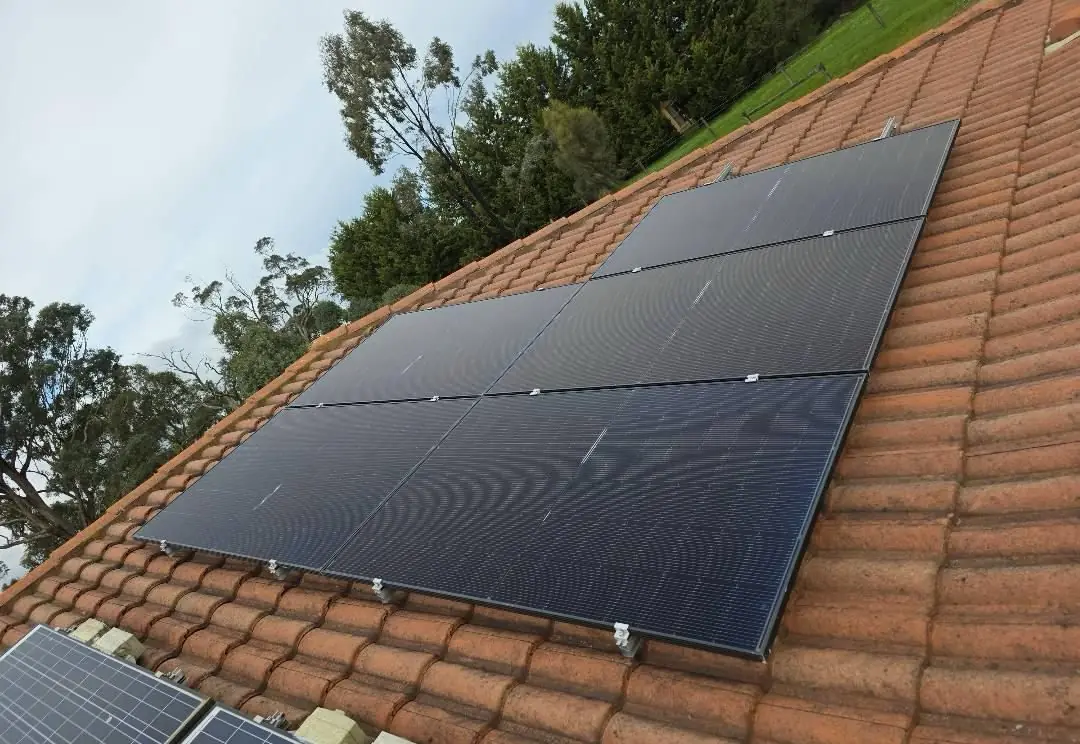
Self-consumption, feed-in tariffs and making every kilowatt count.
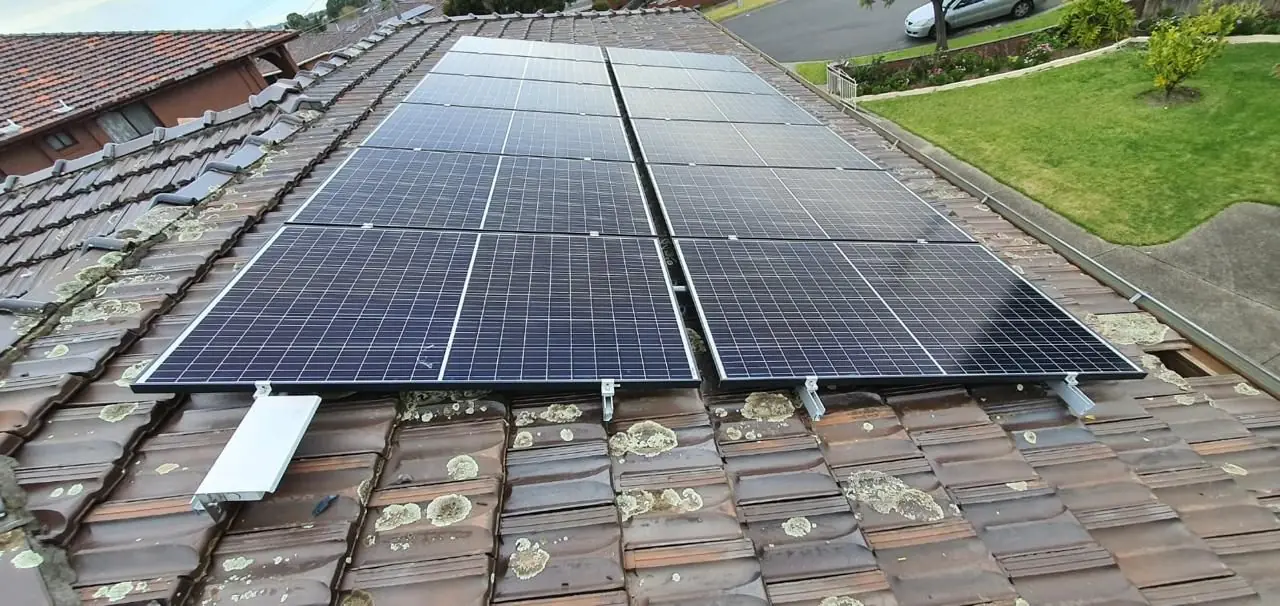
The real costs, savings and payback questions to ask before you install.
Talk to AM & SIM Electrical. Our electricians will give you straight answers about solar, batteries and your home.