
Battery storage vs sending solar back to the grid
Comparing the value of storing energy with exporting it.
How a home battery works with your solar, what size makes sense, and when it's worth adding one to an existing system.
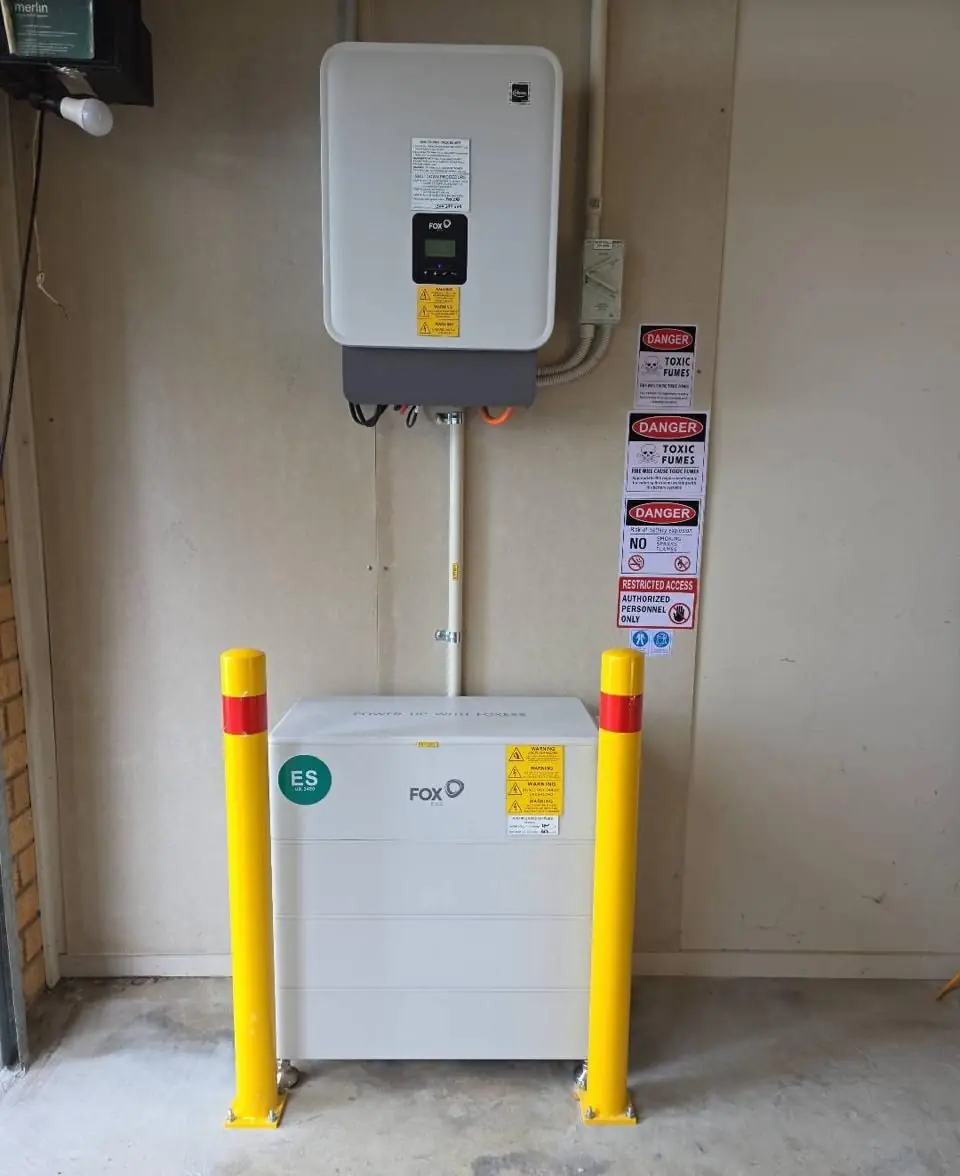
Solar panels produce most of their power in the middle of the day. For many households that's exactly when nobody is home — so a large share of that energy is exported to the grid for a small credit, then bought back in the evening at a much higher rate.
A solar battery changes that by keeping your excess energy on site, ready for when you actually need it. If you are still weighing up the options, our guide to battery storage vs sending solar back to the grid compares the two side by side.
During the day your panels power the home first. Any surplus charges the battery instead of flowing straight to the grid. When the sun goes down, the battery discharges to run your lights, appliances and evening peak. The Australian Government’s guide to home solar batteries (opens in a new tab) explains the technology in more detail.
Electrician's note
A battery is only as good as the electrical work around it. We check your switchboard capacity and safety, inverter compatibility and backup circuits before recommending any system.
The right size depends on your evening and overnight usage, your solar system's output and whether you want backup. Bigger isn't automatically better — an oversized battery that never fills is money left on the wall. A battery also needs enough solar to charge it, so read how much solar your home needs alongside this guide.
"We size batteries from your real usage data, not a brochure."
In most cases, yes. Depending on your current inverter, we may add an AC-coupled battery or recommend a hybrid inverter upgrade. Older boards may also need work first — here is when a switchboard upgrade is needed.
Eligible households can receive a federal discount on the upfront cost of a battery through the Cheaper Home Batteries Program (opens in a new tab). The discount is applied by your installer under the Clean Energy Regulator’s rules for solar batteries (opens in a new tab) — you don’t need to apply separately. Eligibility rules change over time, so we confirm what applies to you in your quote.
It depends on your usage pattern, electricity rates and goals. For households that use a lot of power after dark — or want backup and energy independence — a battery can make a lot of sense. We'll give you an honest answer either way: request a solar battery quote or browse our frequently asked questions about batteries.
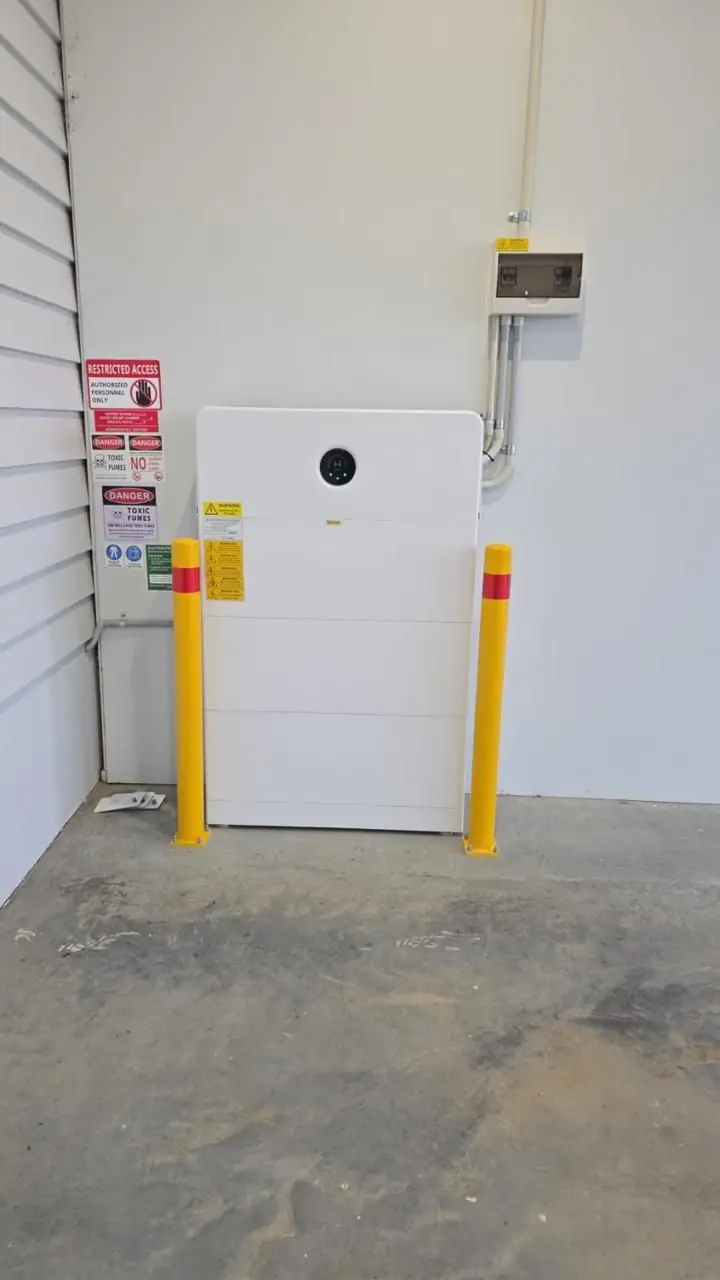
Comparing the value of storing energy with exporting it.
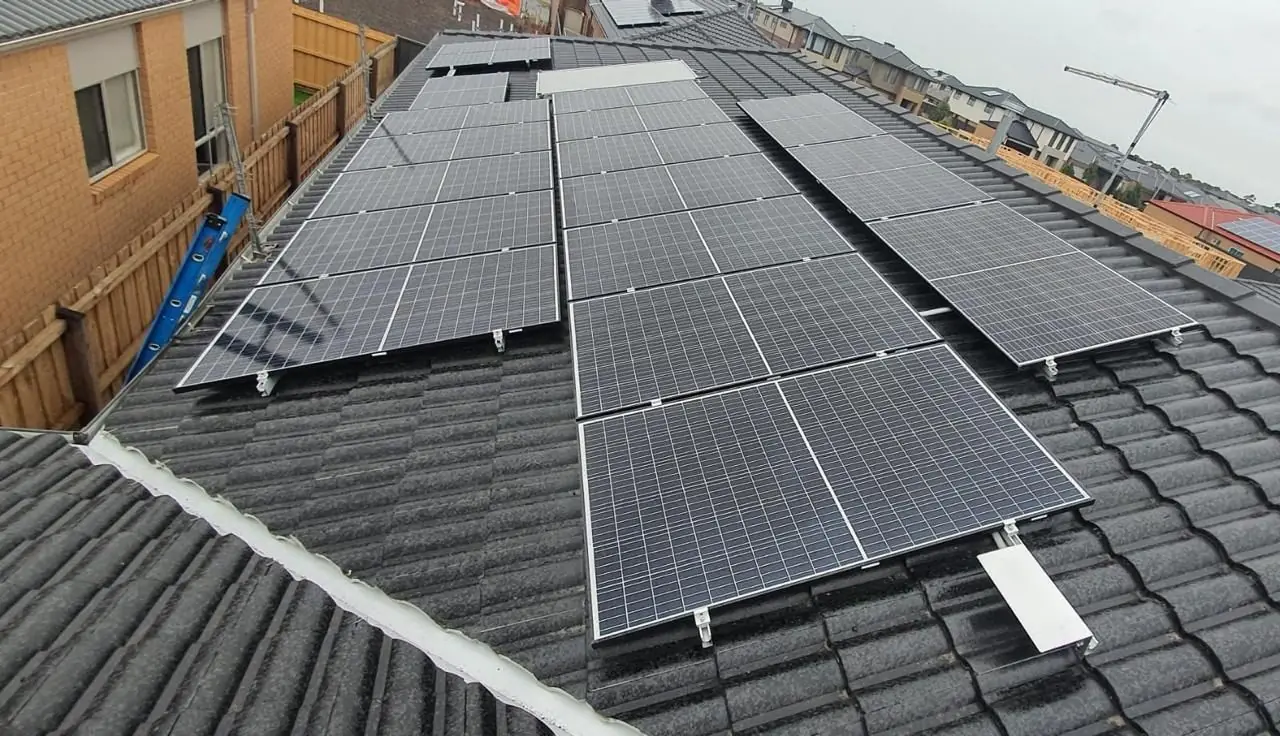
Sizing a system around your usage, roof space and future plans.
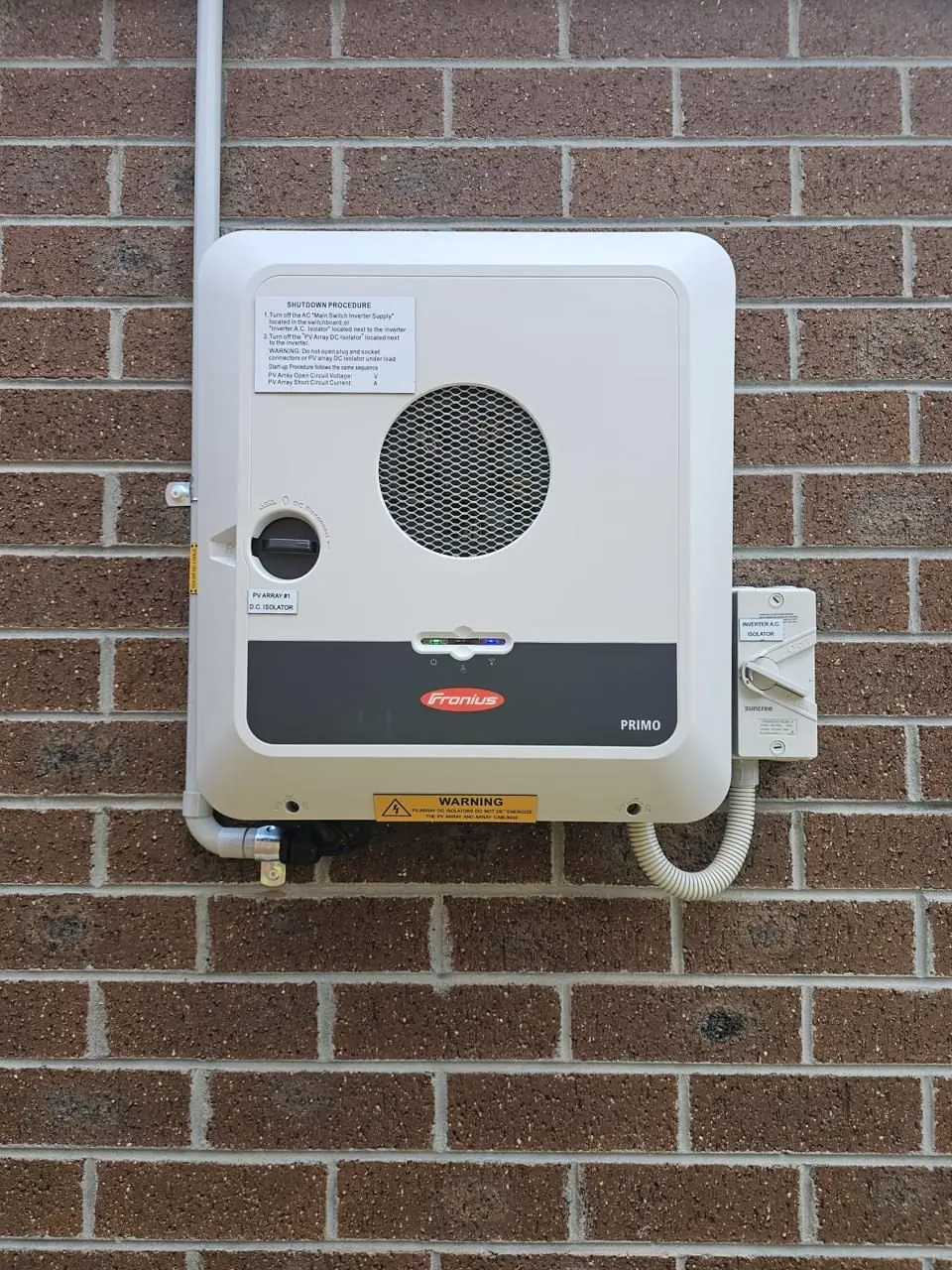
Warning signs, safety switches and getting ready for solar or EV.
Talk to AM & SIM Electrical. Our electricians will give you straight answers about solar, batteries and your home.