Solar battery storage explained
How a home battery works with your solar, what size makes sense, and when it's worth adding one to an existing system.
An informative comparison of single-phase and three-phase battery systems, explaining how each works, what backup can mean in practice, and the factors homeowners should consider before choosing a system.
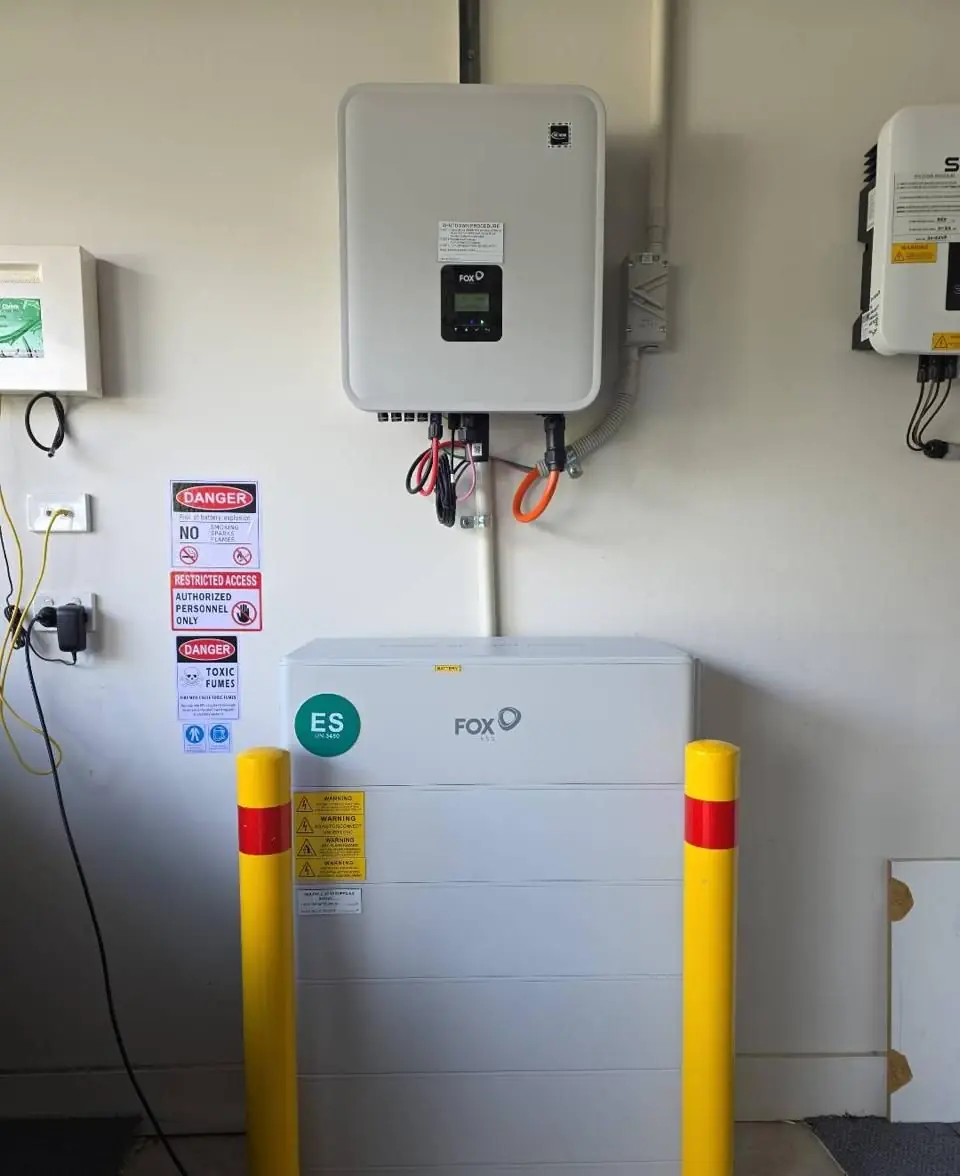
Choosing a solar battery is an important decision for homeowners looking to make better use of their solar energy. However, one question that often comes up during the process is whether to choose a single-phase or three-phase battery system.
If your home has a three-phase electricity connection, you might assume that you automatically need a three-phase battery. But that's not necessarily the case. The right solution depends on your existing solar setup, household electricity consumption, backup requirements and future energy needs.
Understanding the difference before investing can help you choose a battery system that works efficiently with your home's electrical infrastructure.
In this guide, AM & SIM Electrical, powered by Green Net Solar, explains how single-phase and three-phase solar battery systems work, their key differences and what Australian homeowners should consider before installation. For a broader introduction, see solar battery storage explained.
Before comparing battery systems, it's important to understand the type of electricity supply connected to your property.
A single-phase electricity supply is commonly found in residential properties. It provides electricity through one active phase and is generally suitable for everyday household appliances, lighting, refrigeration and standard electrical equipment.
Homes with single-phase connections can install compatible solar and battery systems designed for that supply.
A three-phase electricity supply uses three separate active phases to distribute electricity throughout a property.
It is commonly found in larger homes and properties with higher electrical demands, particularly where equipment such as ducted air conditioning, larger appliances, workshops or electric vehicle chargers are installed.
A three-phase connection can also provide greater flexibility when designing larger solar and electrical systems.
Electrician's note
Having a three-phase electricity supply does not automatically mean you must install a three-phase battery. A compatible single-phase system may also be suitable, depending on your requirements.
The main difference relates to how the battery inverter connects to your home's electrical supply and how backup electricity is distributed during a power outage.
A single-phase battery system uses a single-phase inverter to charge and discharge the battery.
It can be a suitable option for homes with a single-phase electricity supply. It can also be installed in some properties with a three-phase connection, subject to equipment compatibility and network requirements.
For a three-phase home, a single-phase battery can still provide electricity bill savings through solar self-consumption. However, its backup capability may be limited to the circuits connected to the supported phase.
This is an important consideration for homeowners who want backup electricity for more than just a few essential appliances.
A three-phase battery system uses compatible three-phase power conversion equipment to interact with the property's three-phase electrical supply.
Depending on the system design, it can distribute power across the three phases and may offer a more suitable configuration for properties with higher electricity demands.
For homeowners looking for a comprehensive energy solution, a three-phase system may provide greater flexibility, particularly when considering backup requirements and future electrical upgrades.
However, not every three-phase battery system automatically provides whole-home backup. The inverter's capabilities, backup configuration and supported circuits must all be checked.
Here is a simple comparison to help you understand the two options.
| Feature | Single-phase battery system | Three-phase battery system |
|---|---|---|
| How it connects | Uses a single-phase inverter to charge and discharge the battery. | Uses compatible three-phase power conversion equipment to interact with the property's three-phase supply. |
| Suitable supply | Homes with a single-phase supply. Can also be installed in some three-phase properties, subject to equipment compatibility and network requirements. | Properties with a three-phase supply, particularly those with higher electricity demands. |
| Bill savings | Can still provide savings through solar self-consumption, including in a three-phase home. | Depending on the system design, may offer a more suitable configuration for higher electricity demands. |
| Backup during an outage | Generally supplies only the circuits connected to its supported backup phase. | Can distribute power across the three phases depending on the design, but whole-home backup is not automatic. Inverter capability, backup configuration and supported circuits must be checked. |
| Flexibility | Backup may be limited to a few essential circuits. | May provide greater flexibility for backup requirements and future electrical upgrades. |
The best option is not necessarily the one with the most phases. It is the system that matches your property's electrical requirements and energy consumption.
Yes, in some circumstances.
A property with a three-phase electricity connection can have a compatible single-phase solar battery system installed.
One of the common misunderstandings is that a single-phase battery cannot provide any benefit to a three-phase property. In reality, a single-phase solar system in a three-phase property can still deliver electricity cost-reduction benefits through self-consumption, depending on the system and metering arrangements.
However, there is an important difference between everyday energy use and backup power.
When the grid is operating normally, energy flows and consumption across phases are managed according to the system configuration and applicable metering arrangements.
During a power outage, a single-phase battery backup system will generally only supply the circuits connected to its supported backup phase. This means your lighting, refrigeration or other selected appliances may continue operating, while equipment connected to the other phases may not receive backup power.
If you want backup across multiple phases, you should discuss a suitable three-phase backup solution with your installer.
Selecting the right solar battery involves more than comparing storage capacity or product prices. Here are some important factors to discuss before installation.
If you already have solar panels installed, the type of inverter and its compatibility with a new battery are important.
Some existing systems can be upgraded with an AC-coupled battery, while others may require a different configuration.
Your installer should assess the existing inverter, solar panel capacity and battery compatibility before recommending an upgrade.
Consider how much electricity your household uses throughout the day and evening.
Homes with ducted air conditioning, electric hot water systems, pool pumps and other high-energy appliances may have different battery requirements from smaller households.
Understanding your consumption patterns helps determine the appropriate battery capacity and inverter output.
Think about what you actually want to operate during a power outage.
Do you only need essential appliances such as lights, refrigeration and internet equipment? Or do you want a more comprehensive backup solution?
Your backup requirements can significantly influence whether a single-phase or three-phase configuration is appropriate.
Your electricity requirements may change over time.
You might be considering an electric vehicle, additional air conditioning, an electric hot water system or other major electrical appliances.
Planning for these requirements now can help avoid unnecessary changes to your electrical system later.
Not every battery is compatible with every inverter or existing solar installation.
The installer should check manufacturer compatibility, inverter specifications, switchboard configuration, available installation space and relevant network requirements.
A professional assessment is essential before choosing the final system.
A three-phase battery system may be worth considering if your property has higher electricity demands or you want a backup configuration that can support multiple phases.
However, it does not automatically mean that every homeowner with three-phase electricity should upgrade to a three-phase battery.
For some households, a compatible single-phase battery may provide the required energy savings at a more suitable cost.
The decision should be based on your actual electricity usage, backup expectations, existing equipment and future plans rather than simply the number of phases connected to your property.
An experienced installer can assess these factors and explain the advantages and limitations of each option. You can also compare battery storage with sending solar back to the grid.
Solar battery installation involves more than connecting a battery to an existing solar system.
The electrical supply, inverter configuration, switchboard, backup circuits and manufacturer requirements all need to be considered.
In Victoria, battery installations must comply with applicable electrical safety legislation and relevant Australian Standards, including requirements relating to battery energy storage systems.
Incorrect system configuration can affect performance, backup operation and electrical safety.
At AM & SIM Electrical, powered by Green Net Solar, we focus on understanding each property's electrical requirements before recommending a suitable solar and battery solution.
Our approach considers the existing electrical infrastructure, household energy needs and the customer's expectations so that the system is designed around the property rather than taking a one-size-fits-all approach.
Yes. A compatible single-phase battery system can be installed in some three-phase properties. It can help reduce electricity costs through solar self-consumption. However, backup power may only be available to supported circuits on one phase.
Not automatically. Whole-home or multi-phase backup depends on the inverter, battery system, backup equipment, electrical configuration and connected loads. Always confirm the backup capability before installation.
In some cases, yes. However, the existing inverter, battery compatibility, switchboard and electrical configuration must be assessed before deciding on an upgrade.
Not necessarily. Many existing solar systems can be upgraded with an AC-coupled battery without replacing the solar panels. The suitability depends on the existing inverter and the proposed battery system.
Start by reviewing your electricity bills, existing solar equipment, household consumption and backup requirements. A qualified installer can assess your property and recommend a suitable system.
Choosing between a single-phase and three-phase solar battery system requires a proper understanding of your property's electrical setup and energy requirements.
While both options can offer benefits, the right choice depends on how you use electricity, what you expect during power outages and whether you have plans to expand your home's electrical capacity.
If you're considering a new solar battery installation or upgrading an existing system, AM & SIM Electrical, powered by Green Net Solar, can help you understand your options.
We provide solar, battery and electrical solutions for homeowners across Melton, Hillside, Tarneit, Truganina, Bacchus Marsh, Caroline Springs and surrounding Victorian suburbs.
Contact AM & SIM Electrical today to discuss your solar battery requirements and arrange a professional assessment.
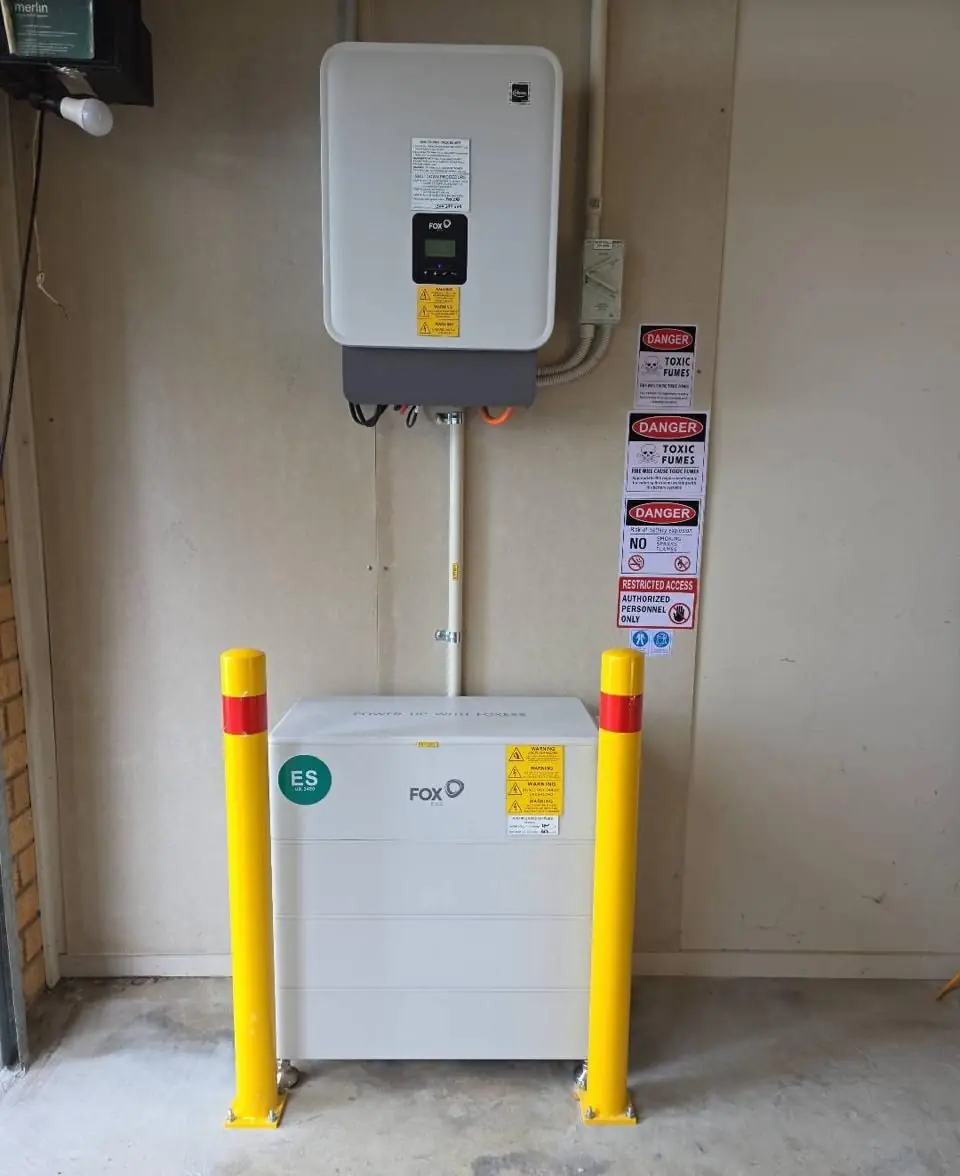
How a home battery works with your solar, what size makes sense, and when it's worth adding one to an existing system.
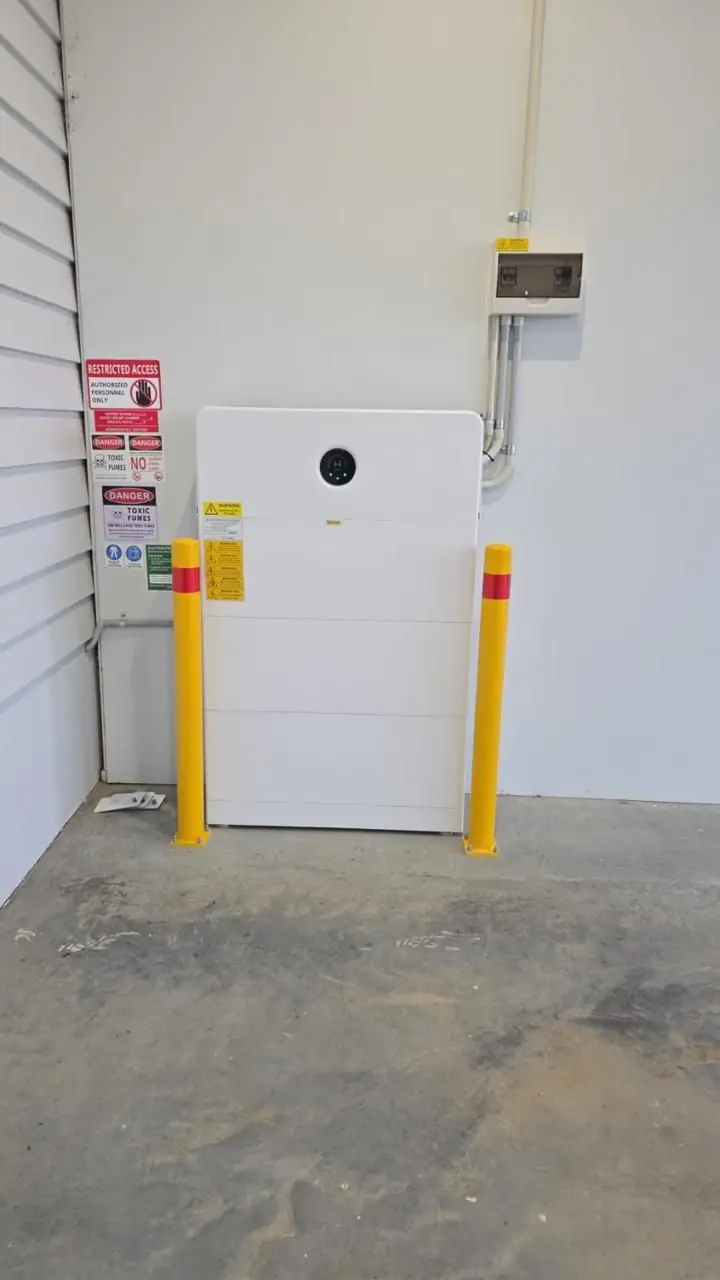
Comparing the value of storing energy with exporting it.
Warning signs, safety switches and getting ready for solar or EV.
Every home has different electricity requirements. AM & SIM Electrical, powered by Green Net Solar, can help you understand your solar battery options and find a suitable solution for your property.